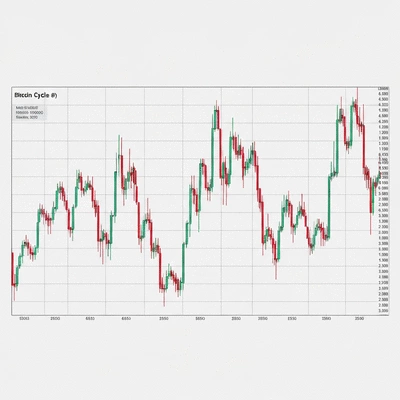
The cryptocurrency market is notorious for its wild fluctuations, but understanding Bitcoin's price cycles can empower your trading strategy. What can we learn from the historical ups and downs? Let's explore the vital lessons that can guide your investment approach.
What You Will Learn
Bitcoin drawdowns represent significant market corrections and can signal potential buying opportunities.
Historical crashes, such as those in 2011, 2013, 2018, and 2022, reveal valuable lessons about market behavior and investor psychology.
Economic indicators, including inflation and interest rates, play a crucial role in influencing Bitcoin prices and investor confidence.
Developing a flexible trading strategy and staying informed can help navigate future market cycles effectively.
This visual summarizes Bitcoin's significant historical crashes and the crucial lessons derived from them, offering insights into market resilience and strategic preparation.
Understanding Drawdowns: Signals & Significance
Percentage decline from peak to low, signaling market corrections and potential buying opportunities.
Key Historical Crashes
2011: $32 to $2
2013: $1,200 to $200
2018: $20,000 to $3,000
2022: FTX Collapse
Lessons from 2022 & 2025 Crashes
Market Resilience: Bitcoin often recovers.
Timing is Everything: Strategic entry/exit points.
Stay Informed: Anticipate potential crashes.
Risk Management: Mitigate losses.
Economic Indicators Impacting Price
Inflation: Bitcoin as a store of value.
Interest Rates: Reduced market liquidity.
Geopolitical Events: Drives investor hedging.
Portfolio Diversification Strategies
Mix Assets: BTC, ETH, altcoins.
Explore Sectors: NFTs, DeFi, blockchain.
Geographic: Emerging markets.
Understanding Bitcoin Price Cycles: A Historical Perspective
Have you ever noticed how Bitcoin's price seems to follow a cyclical pattern? Understanding these Bitcoin price cycles is crucial for traders and investors alike. By examining past trends, we can better navigate the volatile crypto landscape and make informed decisions. Let's dive into the historical context of Bitcoin's price movements, starting from its early days to the present.
Defining Bitcoin Drawdowns and Their Significance
First off, what exactly is a Bitcoin drawdown? A drawdown refers to the percentage decline from a peak price to a subsequent low. In the world of cryptocurrency, these drawdowns are significant because they reflect market corrections and investor sentiment. Understanding the magnitude and frequency of these drawdowns allows traders to anticipate potential risks and opportunities.
A drawdown can signal a potential buying opportunity.
They often reveal underlying market dynamics.
Understanding past drawdowns helps investors develop better strategies.
Recognizing the patterns of drawdowns can empower you to make strategic decisions during market volatility. By acknowledging their significance, we can better position ourselves for recovery in times of distress.
Key Historical Crashes: 2011 to 2022
Bitcoin has faced several notable crashes since its inception. Here’s a quick look at the most impactful ones:
2011 Crash: Bitcoin fell from $32 to $2.
2013 Burst: Prices skyrocketed to $1,200 to $200.
2018 Bear Market: A prolonged decline that saw Bitcoin plummet from nearly $20,000 to about $3,000.
2022 FTX Collapse: Prices fell sharply after the FTX exchange scandal, leading to a loss of trust in many crypto assets. You can find more details on such events in the FSOC 2025 Annual Report, which discusses potential financial stability risks.
Each of these events taught us valuable lessons about market behavior and investor psychology. It’s crucial to learn from the past to prepare for future fluctuations.
The Recent Surge: 2025's Price Peaks and Subsequent Corrections
Fast forward to 2025, and we saw Bitcoin reaching impressive heights again, but not without its corrections. The price surged to new peaks, driven by increased institutional investment and mainstream adoption. However, as we know, significant surges often lead to corrections.
Market speculation plays a huge role in price volatility.
Regulatory news can trigger rapid price changes.
Changes in investor sentiment can lead to sharp declines.
These corrections serve as a reminder of the unpredictable nature of the crypto market. As an investor, staying informed about these dynamics is essential for making wise decisions during both peaks and troughs.
Lastly, let’s consider the economic indicators that play a role in influencing Bitcoin prices. Factors like inflation rates, interest rates, and global market stability can all sway investor confidence.
Inflation: As fiat currencies lose purchasing power, Bitcoin is often viewed as a store of value.
Interest Rates: Higher rates can lead to reduced liquidity in the market. The Federal Reserve's Financial Stability Report provides in-depth analysis on how interest rate changes affect financial markets.
Geopolitical Events: Uncertainty can drive investors toward Bitcoin as a hedge.
By keeping an eye on these indicators, we can enhance our understanding of market trends and make informed decisions. At CryptoMarketCrash Insights, we strive to equip you with the knowledge you need to navigate the unpredictable waters of cryptocurrency. Let's stay informed together!
Pro Tip
When analyzing Bitcoin price cycles, always consider the impact of external factors such as regulatory changes, global economic trends, and investor sentiment. Staying updated with news and market analysis can help you anticipate price movements and make more informed trading decisions. Remember, knowledge is power in the volatile world of cryptocurrency!
Summarizing Key Takeaways from Bitcoin’s Price History
As we reflect on the rollercoaster ride of Bitcoin's price history, it becomes evident that understanding these fluctuations is crucial for any trader or investor. Here at CryptoMarketCrash Insights, we believe that learning from past events can significantly improve our strategies moving forward. Let’s delve into what traders can glean from the dramatic events of 2022 and 2025.
What Traders Can Learn from the 2022 and 2025 Crashes
The crashes of 2022 and 2025 serve as poignant reminders of the unpredictable nature of cryptocurrency markets. Here are some key lessons:
Market Resilience: Despite severe downturns, Bitcoin often finds a way to recover, demonstrating the importance of patience.
Timing is Everything: Recognizing the right time to enter or exit the market can be the difference between profit and loss.
Stay Informed: Keeping up with news and trends can help you anticipate potential crashes.
Risk Management: Implementing strategies to mitigate losses is crucial during volatile periods.
These lessons highlight the necessity of having a robust trading strategy. By applying these insights, traders can better navigate future price movements and bolster their portfolios.
Frequently Asked Questions (FAQs)
A Bitcoin drawdown refers to the percentage decline from a peak price to a subsequent low. It signals market corrections and can indicate potential buying opportunities for investors.
Key historical crashes include the 2011 crash (from $32 to $2), the 2013 burst (from $1,200 to $200), the 2018 bear market (from $20,000 to $3,000), and the 2022 FTX Collapse.
Economic indicators such as inflation rates, interest rates, and geopolitical events significantly influence Bitcoin prices. Inflation can make Bitcoin a store of value, while higher interest rates can reduce market liquidity. Geopolitical instability often drives investors towards Bitcoin as a hedge.
Traders can learn about market resilience, the importance of timing entry/exit points, the need to stay informed, and the critical role of risk management during volatile periods.
Diversification helps mitigate risk by spreading investments across various assets (e.g., Bitcoin, Ethereum, altcoins), sectors (NFTs, DeFi), and geographies. This approach can cushion against significant downturns if one asset underperforms, balancing overall returns. Further insights into diversification and market stability can be found in the BIS Working Paper on Crypto-assets.
Future Outlook: Preparing for Potential Market Cycles
Looking ahead, we must consider how to prepare for potential market cycles that may emerge in the crypto landscape. The cyclical nature of Bitcoin's price history suggests we might expect more fluctuations in the future. Here’s what you can focus on:
Monitor economic indicators that could signal changes in market sentiment.
Develop a flexible trading strategy that accommodates sudden market shifts.
Engage with community insights, as collective knowledge can provide a broader perspective.
Consider diversifying your investment, which can cushion against significant downturns.
Preparing for these cycles involves not only understanding historical trends but also being proactive in your investment strategy. At CryptoMarketCrash Insights, we emphasize the importance of ongoing education and adaptability.
Insights into Portfolio Diversification Strategies for Crypto Investors
Diversification remains a cornerstone strategy for any investor, especially in the volatile world of cryptocurrency. By spreading your investments across various assets, you can mitigate risk and potentially enhance returns. Here are some strategies to consider:
Invest in a mix of established cryptocurrencies like Bitcoin and Ethereum alongside promising altcoins.
Explore different sectors within crypto, such as NFTs, DeFi, and blockchain technology.
Consider geographic diversification by investing in cryptocurrencies that are more prominent in emerging markets.
Regularly review and adjust your portfolio based on market conditions and personal goals.
By adopting a diverse investment approach, you can create a more resilient portfolio. This way, when one asset underperforms, others can help balance your overall returns. Remember, the key is to stay informed and adaptable.
Recap of Key Points
Here is a quick recap of the important points discussed in the article:
Key economic indicators like inflation and interest rates play a vital role in shaping market trends.
Diversification in investments can help mitigate risks and enhance overall portfolio resilience.
Staying informed and adaptable is essential for navigating the unpredictable cryptocurrency landscape.
Author
Liam Harrington
Liam Harrington is a seasoned cryptocurrency analyst and market strategist with over a decade of experience in financial markets. With a passion for demystifying complex market trends, Liam offers insights that empower traders and investors to make informed decisions. His expertise spans across market analysis, risk management, and recovery strategies, making him a trusted voice in the crypto community.
Author
Liam Harrington
Liam Harrington is a seasoned cryptocurrency analyst and market strategist with over a decade of experience in financial markets. He demystifies complex market trends, empowering traders and investors to make informed decisions. His expertise spans market analysis, risk management, and recovery strategies, making him a trusted voice in the crypto community.
At CryptoMarketCrash Insights, we're your essential guide through the volatile crypto landscape. We provide real-time news, expert analysis, and recovery strategies for Bitcoin and altcoin drops, empowering you to navigate market crashes effectively.