
Crypto Crash Patterns Explained Simply
Have you considered how well you understand the emotional rollercoaster of the crypto market? Navigating its ups and downs requires more than just knowledge; it demands an awareness of the psychological phases that accompany market fluctuations. Let's delve into the critical insights that can empower your trading experience.
What You Will Learn
- Recognize the emotional phases of a market crash: euphoria, denial, panic, and capitulation.
- Identify market behaviors during breakdowns and acceleration phases to make informed decisions.
- Understand key post-crash signals, including increased trading volume and positive sentiment indicators.
- Leverage your self-awareness and set clear investment goals to navigate emotional reactions effectively.
- Monitor sentiment indicators like the Fear & Greed Index and social media trends to gauge market mood.
- Translate market patterns into actionable trade plans for future success.
- Learn from past market signals to prepare for future behavior and enhance your trading strategy.
The Crypto Market Crash Lifecycle: Emotional & Market Phases
Understanding the cyclical nature of cryptocurrency market crashes, from the emotional journey of investors to the distinct market behaviors, is crucial for informed decision-making.
Emotional Phases: From Euphoria to Capitulation
- •Euphoria: High confidence & optimism.
- •Denial: Refusal to acknowledge crash.
- •Panic: Triggers mass selling.
- •Capitulation: Investors give in, often leading to losses.
Market Behavior: Breakdown & Acceleration
- •Breakdown: Initial price drop.
- •Acceleration: Rapid panic selling.
- •Consolidation: Temporary market stabilization.
Recovery Patterns: Post-Crash Signals
- •Increased Volume: Signals potential recovery.
- •Positive Sentiment: News boosting confidence.
- •Technical Indicators: Confirm recovery.
Investor Psychology: Navigating Emotions
- •Self-Awareness: Understand emotional triggers.
- •Set Goals: Establish clear investment objectives.
- •Stay Informed: Mitigate fear with knowledge.
The Role of Market Sentiment
- •Fear & Greed Index: Gauge market emotions.
- •News Sentiment: Analyze headlines.
- •Social Media Trends: Monitor conversations.
Actionable Trade Plans
- •Identify patterns on charts.
- •Determine price targets.
- •Set stop-loss orders.
- •Plan entry & exit points.
Preparing for Future Market Behavior
- •Monitor economic indicators.
- •Follow regulatory news.
- •Pay attention to major events.
- •Be aware of high trading volumes.
Understanding the crypto market crash lifecycle can be incredibly beneficial for both new and seasoned investors alike. By recognizing the phases of a crash, traders can better prepare themselves and navigate these turbulent waters.
In this section, we’ll delve into the different stages of a market crash, from the initial euphoria to the eventual recovery. Let’s break it down!
Emotional Phases: From Euphoria to Capitulation
The emotional journey that traders experience during a crypto market crash is profound. It typically starts with euphoria when prices are soaring, leading investors to feel invincible. However, as the market begins to decline, this feeling quickly shifts towards anxiety and panic.
- Euphoria: High confidence and optimism about investments.
- Denial: Refusal to acknowledge the possibility of a crash.
- Panic: Sudden fear that triggers mass selling.
- Capitulation: Investors finally give in, often leading to significant losses.
Recognizing these emotional phases can help you understand your emotional reactions and make more informed decisions during turbulent times. Research into market patterns, such as that conducted by mathematicians uncovering hidden patterns in billion-dollar markets, further highlights the importance of understanding these cycles.

Market Behavior During Breakdown and Acceleration
During a market breakdown, the behavior of assets can be chaotic. Prices often drop quickly, leading to what we call acceleration phases. These are moments when the market experiences sharp declines or increases.
- Breakdown: Initial price drop often initiated by negative news or market sentiment.
- Acceleration: Rapid price declines as investors panic sell, creating a snowball effect.
- Consolidation: After the sharp declines, markets often stabilize temporarily.
Understanding these behaviors allows investors to identify potential entry points during the consolidation phase, turning chaos into opportunity. The Chicago Fed has explored how these dynamics play out in broader economic contexts, offering valuable insights into market behavior.
Recovery Patterns: Recognizing Post-Crash Signals
After a crash, the market enters a recovery phase where signs of stabilization can emerge. One of the key signals to watch for is increased trading volume coupled with positive news. This indicates that investor sentiment might be shifting toward optimism.
- Increased Volume: A surge in trading volume can signal a potential recovery.
- Positive Sentiment: News that boosts confidence in the market.
- Technical Indicators: Patterns like moving averages can help confirm recovery.
By keeping an eye on these post-crash signals, you can better position yourself for a successful rebound. Even in volatile markets, understanding recovery patterns is vital.
Investor Psychology: Navigating Emotional Reactions
As a seasoned cryptocurrency analyst, I've seen firsthand how emotional reactions can impact trading decisions. It’s essential to recognize that psychology plays a significant role during market crashes.
- Self-Awareness: Be aware of your emotional triggers and biases.
- Set Goals: Establish clear investment goals to help navigate uncertainty.
- Stay Informed: Knowledge can mitigate fear and help maintain a level-headed approach.
By understanding your own psychology, you can make more rational decisions, even in the heat of a market crash. This self-awareness is a critical tool for managing risk and making sound investment choices.
The Role of Market Sentiment in Crash Dynamics
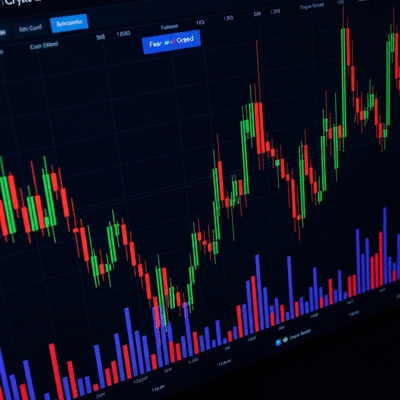
Market sentiment is like a tide that can either lift your investments or drown them. During times of crisis, sentiment often weighs heavily on market movements. Keeping an eye on sentiment indicators can give you a heads-up about potential turning points.
- Fear & Greed Index: A popular tool that helps gauge market emotions.
- News Sentiment: Analyze headlines and reports to understand market mood.
- Social Media Trends: Monitor conversations to gauge public sentiment.
By staying attuned to these sentiment indicators, you can better anticipate market shifts and make strategic decisions. Understanding market sentiment is crucial, especially when considering the implications of events such as crypto crime and ransomware trends, which can significantly impact investor confidence.
Pro Tip
To enhance your trading strategy during market downturns, consider employing a strategy known as "dollar-cost averaging." This approach involves consistently investing a fixed amount of money into cryptocurrencies at regular intervals, regardless of market conditions. By doing so, you can reduce the impact of volatility and potentially lower your average purchase price over time.
Frequently Asked Questions (FAQs)
Investors typically go through phases of euphoria, denial, panic, and capitulation. Recognizing these can help in making more rational decisions.
Look for initial price drops (breakdown), rapid panic selling (acceleration), and temporary market stabilization (consolidation). These patterns can signal potential entry points.
Key signals include increased trading volume, positive news sentiment, and confirming technical indicators like moving averages.
Market sentiment heavily influences market movements during crises. Tools like the Fear & Greed Index, news sentiment analysis, and social media trends can help you gauge market mood and anticipate shifts.
Monitor economic indicators, follow regulatory news, pay attention to major events affecting market sentiment, and be aware of high trading volumes that may signal volatility. Learning from historical data can greatly enhance your preparedness.
Recapping Market Crash Patterns for Informed Trading Decisions
When it comes to navigating the unpredictable waters of cryptocurrency, understanding market crash patterns can be a game changer. As I’ve seen time and time again at CryptoMarketCrash Insights, identifying these patterns allows traders to strategize effectively and make informed decisions. Let’s explore how to turn these patterns into actionable trade plans and prepare for future market behavior.
Turning Patterns into Actionable Trade Plans
Recognizing the right patterns is only the beginning; the real skill lies in translating these observations into effective trading strategies. Here’s how you can do it:
- Identify the pattern on your charts.
- Determine the potential price targets based on the pattern's historical performance.
- Set stop-loss orders to mitigate risk.
- Plan your entry and exit points before executing trades.
- Regularly review and adjust your strategy as the market changes.
By following these steps, you'll not only enhance your decision-making but also build confidence in your trading approach. Remember, staying proactive is key!
Preparing for Future Market Behavior: Lessons Learned
Each market crash teaches us invaluable lessons. One major takeaway is to always stay alert to the market signals that preceded the crash. Here are some critical lessons from past crashes that can help you prepare:
- Monitor economic indicators closely.
- Follow regulatory news and changes.
- Pay attention to major news events affecting market sentiment.
- Be aware of high trading volumes that may signal volatility.
At CryptoMarketCrash Insights, we continuously analyze these lessons to equip our community with the knowledge needed to navigate future market behaviors effectively.
Price Predictions Based on Historical Data and Trends
Lastly, making price predictions can feel daunting, but grounding your forecasts in historical data and trends can provide clarity. Look at how previous crashes affected pricing and recovery times. Here’s what I recommend considering:
- Review the historical performance of key cryptocurrencies after a crash.
- Analyze recovery timeframes to set realistic expectations.
- Utilize technical analysis tools to forecast potential price movements.
By synthesizing these insights, you can develop a more nuanced perspective on future price directions. Remember, the goal is to stay informed and agile, adapting to the ever-changing landscape of cryptocurrency trading!
Recap of Key Points
Here is a quick recap of the important points discussed in the article:
- Emotional Phases: Recognize the journey from euphoria to capitulation during market crashes.
- Market Behavior: Understand breakdowns and acceleration phases to identify potential entry points.
- Recovery Signals: Look for increased trading volume and positive sentiment as indicators of market recovery.
- Investor Psychology: Stay self-aware, set goals, and remain informed to navigate emotional reactions effectively.
- Market Sentiment: Monitor sentiment indicators like the Fear & Greed Index to anticipate market shifts.
- Actionable Trade Plans: Turn pattern recognition into effective trading strategies by setting clear goals and risk management measures.
- Prepare for Future Behavior: Learn from past crashes by monitoring economic indicators and market news.
- Price Predictions: Base predictions on historical data and trends to gain a clearer perspective on future movements.