
Record Transaction Volumes
$46 Trillion
in 2023, highlighting growing trust and usage.
With stablecoins witnessing record transaction volumes in 2023, their influence in the crypto market is undeniable. How can these digital assets help navigate the unpredictable waters of cryptocurrency? Let's explore some key insights into their role and mechanisms.
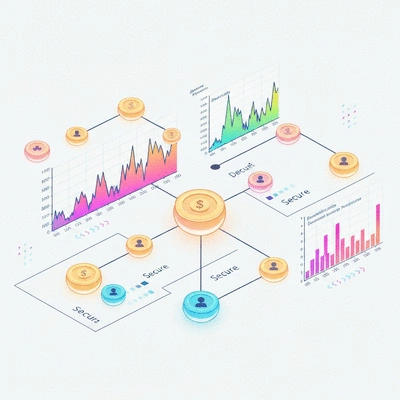
Stablecoins have become indispensable in the crypto market, influencing transaction volumes and market recovery. The visual below highlights key statistical data and market dynamics related to stablecoins.
$46 Trillion
in 2023, highlighting growing trust and usage.
• Resilience: Hold value during declines.
• Flexibility: Enable quick asset protection.
• Volume Increase: Spikes when crypto prices drop.
• Major exchanges (Binance, Coinbase) facilitate transactions.
• Increased accessibility boosts rapid capital movement, aiding market recovery.
• Platforms integrate stablecoins for liquidity and stability.
• Lending/borrowing options reduce market volatility exposure.
In the ever-changing landscape of cryptocurrency, stablecoins have become a pivotal player in driving market recovery. Understanding their role is crucial for anyone looking to navigate the crypto waters effectively. Let’s dive into what stablecoins are and how they function to stabilize an otherwise volatile market!
Stablecoins are a special type of cryptocurrency designed to maintain a stable value relative to a specific asset, typically a fiat currency like the US Dollar. They are often categorized into three main types: fiat-collateralized, crypto-collateralized, and algorithmic stablecoins. Each type employs unique mechanisms to achieve stability, which makes them essential in the unpredictable world of cryptocurrencies.
Each type serves a distinct purpose, with fiat-collateralized stablecoins being the most common due to their direct link to fiat currencies. For a comprehensive overview of stablecoins and their primary and secondary markets, you can refer to insights from the Federal Reserve. Understanding these mechanisms is crucial for investors looking to leverage stablecoins for market recovery.
One of the key features of stablecoins is their ability to remain pegged to a reserve asset, which helps maintain their value. For instance, a stablecoin like USDT (Tether) aims to keep its value equal to $1 USD. This pegging mechanism offers a safety net for traders who might otherwise face significant losses during market downturns.
By providing a reliable medium of exchange, stablecoins allow users to avoid the volatility typically associated with cryptocurrencies. This can be a game-changer for those looking to protect their investments during turbulent times.
These popular stablecoins each have their unique advantages and roles in the market. As someone who has worked in the financial markets for over a decade, I can say that understanding how to utilize these stablecoins can significantly impact your trading strategy during market recovery.
In 2023, stablecoins have seen record transaction volumes, reaching an impressive $46 trillion. This surge highlights their increasing importance in the crypto ecosystem. The ability to transact swiftly and securely has made stablecoins an attractive option for traders and investors alike!
When we look at the statistics, the sheer volume of transactions indicates a growing trust in stablecoins. This is especially relevant during market downturns, where quick liquidity is essential. With the vast amount of trading happening, it’s clear that stablecoins are not just a temporary trend; they are a vital component of the trading infrastructure.
This uncorrelated growth further emphasizes how stablecoins act as a safe harbor during turbulent market conditions. As a trader, being aware of these dynamics can enhance your decision-making process, especially in times of uncertainty.
The liquidity of stablecoins is greatly influenced by the exchanges that offer them. Major exchanges like Binance and Coinbase facilitate stablecoin transactions, enhancing their usage among investors. This increased accessibility allows for rapid movement of capital, thereby aiding market recovery.
As I’ve witnessed in the market over the years, the availability of stablecoins on multiple platforms significantly boosts their liquidity. This not only attracts more traders but also stabilizes prices across the board—an essential factor in recovering from market downturns. The U.S. Department of the Treasury has also discussed the importance of stablecoin regulation to ensure their stability and widespread adoption.
Stablecoins serve as vital tools for recovery in the crypto market, allowing traders to reallocate resources and invest strategically. By leveraging stablecoins, investors can navigate market fluctuations with greater ease.
The relationship between stablecoins and market recovery is evident. As traders convert volatile assets into stablecoins, they create demand for these coins, which can lead to price stabilization of other cryptocurrencies. This phenomenon is particularly noticeable during market crashes when liquidity becomes scarce, and every trader is looking for safer waters.
These case studies demonstrate how stablecoins not only offer a buffer during economic crises but also empower communities to engage in commerce effectively. By fostering a deeper understanding of these use cases, we can appreciate the broader impact of stablecoins on global markets.
DeFi platforms are increasingly incorporating stablecoins into their ecosystems, allowing for innovative financial products that promote liquidity and stability. By providing lending and borrowing options in stablecoins, these platforms are creating opportunities for users to earn interest without exposure to market volatility.
As someone who values informed decision-making in trading, it’s fascinating to observe how DeFi initiatives are reshaping the landscape by using stablecoins as a foundation for financial transactions. This evolution is a promising sign for market recovery in the crypto space.
To further clarify the role and impact of stablecoins, here are some frequently asked questions:
When utilizing stablecoins in your trading strategy, consider diversifying your holdings across multiple types of stablecoins. This approach not only helps mitigate risks associated with any single asset but also capitalizes on the unique benefits each stablecoin offers, enhancing your potential for stability and liquidity during market fluctuations.
As we explore the future of cryptocurrency, one thing becomes clear: stablecoins are set to play a pivotal role in shaping the landscape. Whether you're a consumer or an investor, understanding how stablecoins can enhance your daily transactions and investment strategies is essential. So, what does the future hold for stablecoins beyond institutional use? Let’s dive into some exciting developments!
Stablecoins are becoming more than just tools for large institutions; they’re finding their way into everyday transactions. With their inherent stability, these coins can provide a reliable medium for consumers looking to navigate the often unpredictable crypto world. Here are a few key use cases:
The appeal of stablecoins lies in their ability to blend the advantages of digital currencies with the reliability that consumers crave. This can be especially beneficial for international transactions, where fees can often deter users from opting for traditional methods.
When it comes to using stablecoins for daily purchases, consumers should be aware of a few key points. First, it's crucial to choose a stablecoin that is widely accepted and backed by reputable assets. Secondly, being aware of the transaction fees associated with converting to and from stablecoins can help maintain cost-effectiveness. For additional insights on the future of central bank digital currencies and stablecoin regulation, you might find this article from the Federal Reserve Bank of Richmond informative.
For those looking to leverage stablecoins as a hedge against market volatility, it’s vital to implement a strategy. Holding stablecoins during periods of market downturns can cushion your investments, allowing you to buy back into other cryptocurrencies when prices stabilize. This approach can position you for potential growth in the long run.
As stablecoins gain traction, their integration into payment systems for cross-border transactions is becoming increasingly prevalent. This not only streamlines the process but also provides a cost-effective solution compared to traditional banking methods. Consumers can expect faster transactions, lower fees, and greater accessibility when using stablecoins for international payments.
At CryptoMarketCrash Insights, we believe that transparency is key in building trust within the crypto community. Engaging openly about stablecoins and their implications can foster a more informed audience. Here are several ways we can enhance this engagement:
By engaging with our community through expert insights and visual data, we can demystify the complexities surrounding stablecoins. This not only helps in understanding their role but also empowers you to make informed decisions.
Incorporating expert opinions can elevate our content, providing credibility and authority in our messaging. Whether it’s insights from seasoned analysts or fresh perspectives from emerging voices, these contributions can shed light on the evolving landscape of stablecoins.
Visual aids are essential in breaking down complex data. With the right infographics and charts, we can present trends in stablecoins, helping you better understand their relevance and potential. These visuals make it easier to identify patterns and shifts in the market!
Stablecoins play a crucial role in shaping investor sentiment. By analyzing market reactions to stablecoin fluctuations, we can gain insights into broader market trends. Understanding these dynamics is vital for positioning yourself effectively in the crypto landscape.
Here is a quick recap of the important points discussed in the article:
Liam Harrington is a seasoned cryptocurrency analyst and market strategist with over a decade of experience in financial markets. He demystifies complex market trends, empowering traders and investors to make informed decisions. His expertise spans market analysis, risk management, and recovery strategies, making him a trusted voice in the crypto community.
At CryptoMarketCrash Insights, we're your essential guide through the volatile crypto landscape. We provide real-time news, expert analysis, and recovery strategies for Bitcoin and altcoin drops, empowering you to navigate market crashes effectively.
Navigating Crypto Volatility Together