Indicator Categories
- Momentum: RSI, MACD
- Trend: Moving Averages
- Volatility: Bollinger Bands
- Volume: OBV
What if you had a roadmap to navigate the unpredictable terrain of cryptocurrency trading? Understanding technical indicators can serve exactly that purpose! These vital tools can arm you with the insights needed to make informed trading decisions. Let’s delve into the essential lessons that will enhance your trading strategy.
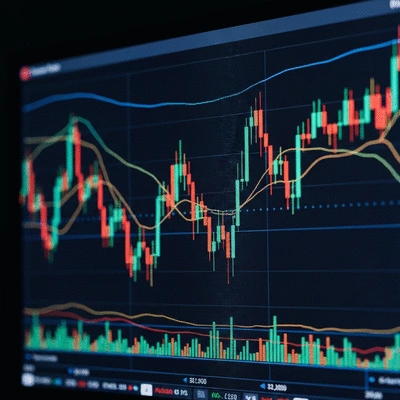
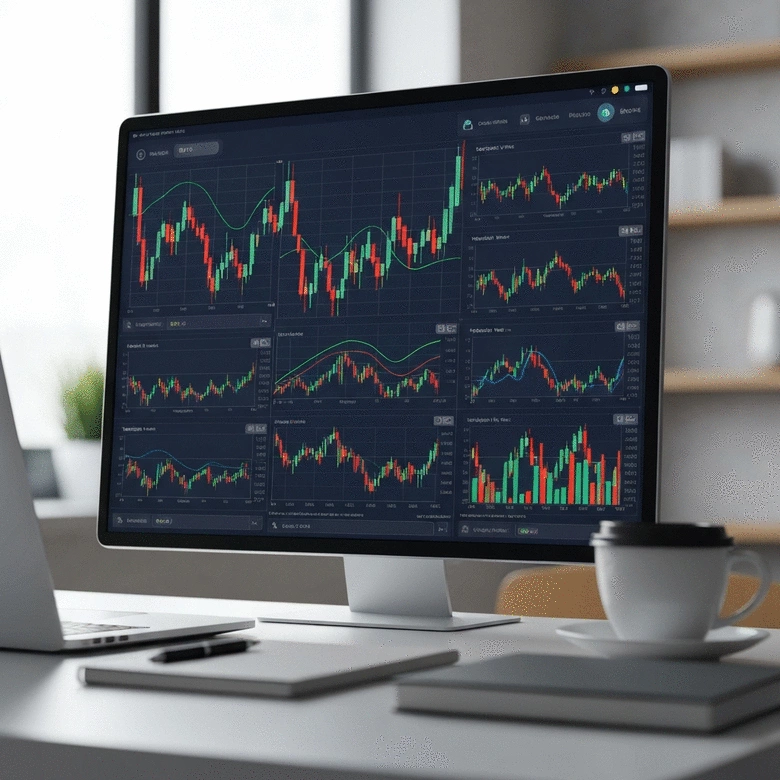
This visual illustrates the categories of technical indicators used in cryptocurrency market analysis and their key implications for investors.
Have you ever found yourself lost in the maze of cryptocurrency prices and trends? Understanding technical indicators can illuminate this complex landscape! These tools are essential for market analysis, helping traders and investors like you to make more informed decisions.
So, what are technical indicators? Simply put, they are statistical tools that analyze historical price data to forecast future price movements. By interpreting these signals, you can gain insights into market trends, identify potential entry and exit points, and manage risks effectively. As a seasoned cryptocurrency analyst, I’ve seen how these indicators can transform your trading strategy.
Technical indicators serve as essential components in the toolkit of any crypto trader. They help to analyze the market's current state, providing valuable information about price trends and potential reversals. Common types of indicators include:
Using these indicators effectively can empower you to make more strategic decisions. They help you not just to react to the market but to anticipate where it's headed next!
Have you ever noticed how market sentiment can shift dramatically overnight? Monitoring technical indicators can help you stay ahead of those unpredictable turns. Indicators such as MACD and RSI often provide early warning signs of potential downturns.
By staying vigilant and analyzing these indicators, you’ll be better prepared to navigate any potential crashes in the crypto market. This proactive approach can make a significant difference in protecting your investments!
While technical indicators are invaluable, integrating them with market sentiment can elevate your analysis. Understanding how news events, regulatory changes, and social media trends affect prices is crucial. For instance, a sudden surge in Bitcoin mentions on Twitter can often foreshadow a price spike. Financial authorities, such as the Financial Stability Oversight Council (FSOC), also monitor these trends closely to assess systemic risks posed by digital assets.
At CryptoMarketCrash Insights, we emphasize the importance of this dual approach. By grasping both the numbers and the sentiment behind them, you can truly sharpen your trading edge!
Now that we've covered the basics, let’s dive into some key technical indicators specifically associated with market downturns. Knowing how to recognize these signals can help you react promptly when the market changes direction.
By understanding how these indicators work and applying them to your trading strategy, you can increase your chances of mitigating losses during turbulent times.
Did you know? Combining multiple technical indicators can significantly enhance your market analysis. For example, using the RSI in conjunction with moving averages can provide clearer signals about potential price movements and help you make more informed trading decisions. Always consider the interplay between different indicators for a robust strategy!
Technical indicators are statistical tools that analyze historical price data to forecast future price movements. They help traders identify trends, potential entry/exit points, and manage risks.
Common types include momentum indicators (e.g., RSI), trend indicators (e.g., moving averages), volatility indicators (e.g., Bollinger Bands), and volume indicators (e.g., OBV).
Indicators like MACD and RSI can provide early warning signs. Bearish divergences on MACD, RSI levels below 30 (oversold), and short-term moving averages falling below long-term ones can signal potential downturns.
Combining technical indicators with market sentiment (news, social media trends, regulatory changes) provides a more holistic view of the market, helping to anticipate price movements influenced by external factors.
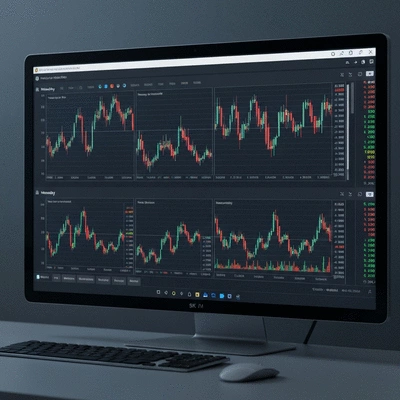
Multi-timeframe analysis involves examining indicators across different time scales (daily, weekly, monthly charts). This approach helps identify both short-term trading opportunities and broader, long-term trends, providing a more comprehensive market overview.
On-chain data provides real-time insights into network activity, such as active addresses, transaction volumes, and miner movements. Integrating this data with technical analysis offers an extra layer of context, deepening understanding of market dynamics.
Market cycles (boom and bust periods) affect how indicators should be interpreted. For example, RSI might remain elevated during a bull market, while bear markets require caution as indicators can signal overbought conditions. Understanding the current cycle helps in making more informed decisions.
As we wrap up our exploration of critical technical indicators, it's essential to recognize how these tools can significantly shape your investment strategy. Understanding and utilizing these indicators can empower you to make well-informed decisions, especially during periods of volatility. I’ve seen firsthand how incorporating a variety of indicators can offer a clearer picture of market trends and potential crashes.
To make the most of your analysis, it’s crucial to embrace a multi-timeframe approach. This means examining indicators across different time scales—such as daily, weekly, and monthly charts. Each timeframe provides unique insights, helping you spot both short-term fluctuations and long-term trends. By integrating these perspectives, you can create a more comprehensive overview of the market landscape. The Brookings Institute emphasizes the importance of robust analytical frameworks for understanding crypto risks and harms, reinforcing the value of such comprehensive approaches.
Considering these various timeframes can enhance your ability to predict market movements more accurately. Remember, it’s not just about one single indicator but how they interact across different timeframes that can lead to better decision-making.
In addition to technical indicators, incorporating on-chain data can enrich your understanding of market dynamics. On-chain metrics provide real-time insights into transaction volumes, wallet movements, and more, giving you an extra layer of context. By analyzing this data alongside traditional technical analysis, you can gain a deeper comprehension of market sentiment. Insights from institutions like the Chicago Fed often highlight the growing relevance of digital asset data in economic analysis.
By leveraging on-chain data, you can refine your strategies and improve your overall market analysis. This holistic approach can help you better anticipate potential downturns or shifts in market trends.
Finally, it's vital to grasp the concept of market cycles and how they impact the effectiveness of various indicators. The crypto market operates in cycles—periods of boom and bust that can affect sentiment, trading volume, and ultimately, prices. Recognizing where we are in a cycle can inform how you interpret your indicators.
By marrying your technical analysis with an understanding of market cycles, you set yourself up for more informed decisions. With the right approach, you can navigate the complexities of the crypto landscape and enhance your investment outcomes.
Here is a quick recap of the important points discussed in the article:
Liam Harrington is a seasoned cryptocurrency analyst and market strategist with over a decade of experience in financial markets. He demystifies complex market trends, empowering traders and investors to make informed decisions. His expertise spans market analysis, risk management, and recovery strategies, making him a trusted voice in the crypto community.
At CryptoMarketCrash Insights, we're your essential guide through the volatile crypto landscape. We provide real-time news, expert analysis, and recovery strategies for Bitcoin and altcoin drops, empowering you to navigate market crashes effectively.
Navigating Crypto Volatility Together